Well, I'm sorry to say that I'm officially discontinuing BBFG. My new blog can be found here, at www.lettersfromskylarkdr.wordpress.com
I know there'll be a lot of people who used to like my blog that'll never read this, but I just wanted to have one last post before I end it.
I'm sorry, but I'm just not as interested in birds as I used to be, so there will (probably) be no more posts here ever again. However, I'll keep it open in case you're mildly sentimental about blogs you follow or something. Or in case you're family and you wanted to see how insanely into birds I was four years ago. Thanks for reading this thing, fam.
Although, I get a sense of pride and accomplishment from keeping a blog solely on one subject for as long as I did. Thank you to all my faithful followers (and fake bots who followed me - no thanks to you guys) for reading this blog for a long time.
Although, in the end, my birding passion got me into other things, like enjoying the beauty that God made, longboarding, hiking, a tolerance of mosquitoes, and photography (my new favorite pastime). And don't get me wrong - I still love birds and the two precious ones I own, but I'm just less crazy about it. And there's also the fact that Blogger is a very clunky blog client and WordPress is better. So, I'm sorry, but this is the end of BBFG. I thank all of you for reading this and caring about what I have to say.
Peace out, and fare thee well.
I will see you at BFSK.
-Guy

Monday, February 1, 2016

Thursday, July 9, 2015
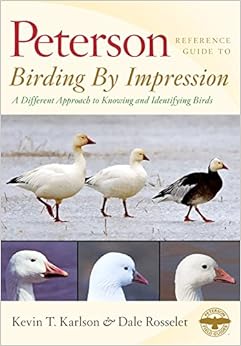
Great bird books to read
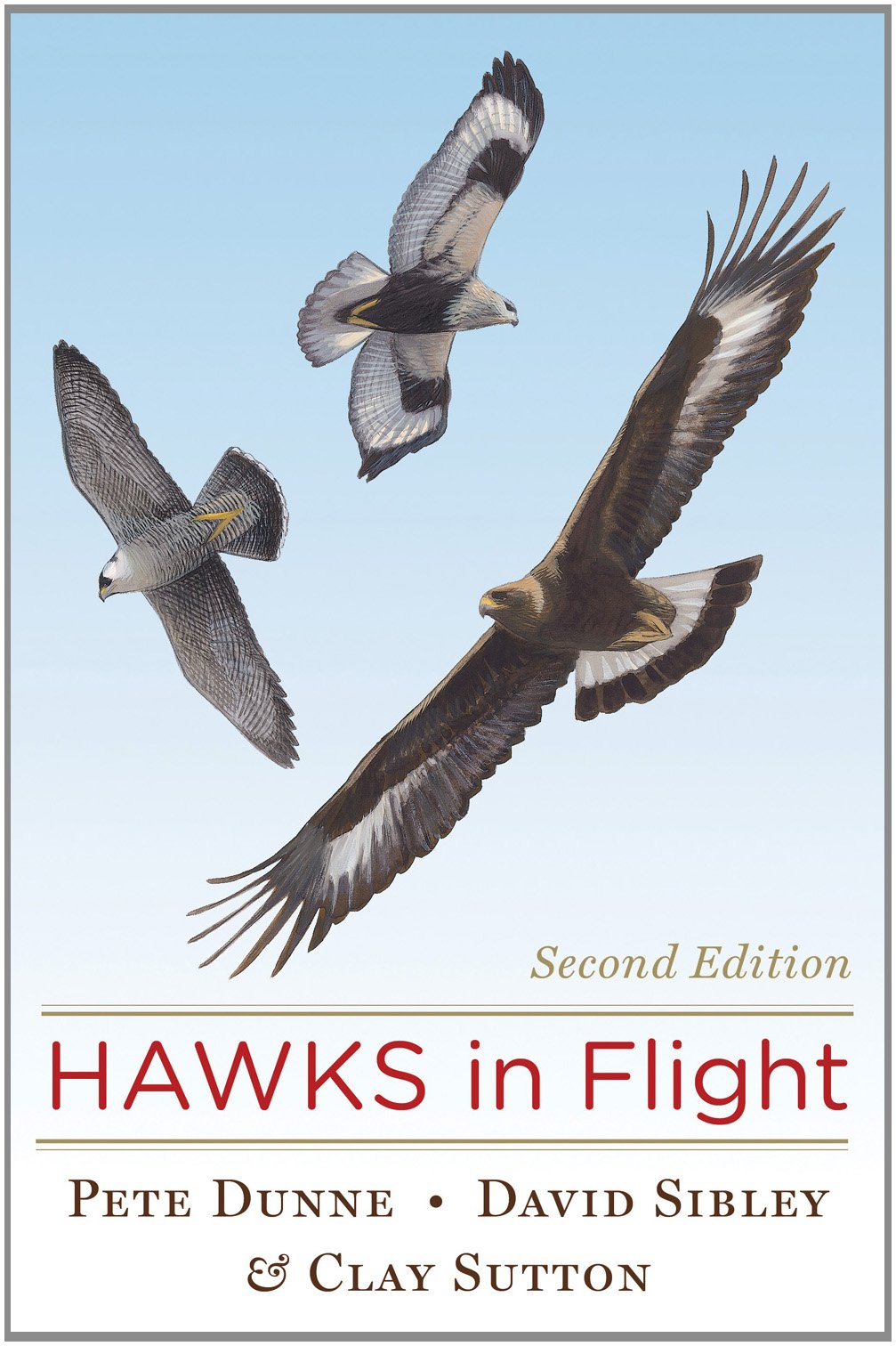
Hawks in Flight: If you are a hawk enthusiast as I am, you've definitely scored if you found this one Illustrations by David Sibley, author of the Sibley guide, this book explains how to tell the difference between flying raptors. With detailed explanations and meticulously painted portraits of each raptor, This book really is one you should check out. (Pete Dunne, David Sibley and Clay Sutton)
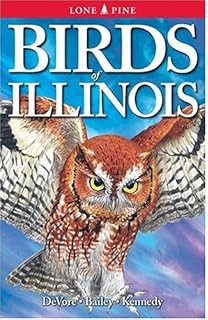
Birding In Illinois: If you live in Illinois, this is a really good reference. It's none too durable (my copy's protective layer on the front is peeling), but is perfect as another home bird book. It gives very comprehensive descriptions of birds, shows detailed pictures, and even has a checklist in the back - If you're a kid birder, you should go with this one as a starter.
Old/antique bird books: Antique books are gorgeous, even if the cover is ripped off and the pages might be falling out. If you can find an old book like a 1940's Peterson or a 30's Golden guide, I can tell you that flipping those old-smelling pages is one of the funnest things you can do with a bird book. It's also really cool to see what they pictured the birds as, where they found them, and what they called them I have a few, and let me tell you: This is something you want to look for. And what if you don't want to keep them? Sell them on eBay, if they're in good condition. I've never done this, but some birders and book enthusiasts will pay big bucks for those things.
Wednesday, March 11, 2015
Take the Pledge to Fledge!
Here's an idea: Let's turn more people into birders. If you have someone that you think would enjoy birding (yet doesn't bird), take the Pledge to Fledge by Cornell lab of Ornithology. The pledge states this:
"I pledge to actively share my enthusiasm for birds with non-birders by taking them into the field to show them birds and foster their own appreciation for birds whenever possible. I will strive to be friendly, patient, helpful, and welcoming when approached by ‘non-birders’ or asked about birds by acquaintances. I believe that individual birders, as part of an international grassroots movement, can effect positive and profound change for our shared birds and their future."It's a really great idea, and it gives you an opportunity to make a new friend! There's also a chance that you'll have someone new to go birding with, too. Take the pledge! And, if you hatch a new birder, feel free to comment here what his/her name is and when he/she became a birder.
Wednesday, January 21, 2015
Birding online
Along with all the other bird-related things I do (birding, writing these posts, drawing birds, etc.), I go online often. Here's a couple places I like to visit.
I like listening to bird podcasts. It's kinda relaxing, you get to hear funny stories, and you find out what's going on in the world. My favorite podcasts series is Ray Brown's Talkin' Birds. Some others include This Birding Life (Bill Thompson, III) and the Author's Spotlight (Julie Zickefoose).
Along with writing blog posts, I also enjoy reading others' articles on birding and about new additions to peoples' life list. My favorite blogs are Julie Zickefoose on Blogspot (Julie Zickefoose), Bill of the Birds (Bill Thompson III), the Stokes Birding Blog (Don and Lilian Stokes), and the Science of Birds (Nick Minor). You get to see cool things like a red bat or a squeaking caterpillar (both featured on Julie Zickefoose's blog). You'll learn about migrants coming through the area or cool facts about bird biology and whatnot. Plus, there's a lot of cool pictures to look at. (Who doesn't like pictures?)
I like listening to bird podcasts. It's kinda relaxing, you get to hear funny stories, and you find out what's going on in the world. My favorite podcasts series is Ray Brown's Talkin' Birds. Some others include This Birding Life (Bill Thompson, III) and the Author's Spotlight (Julie Zickefoose).
Along with writing blog posts, I also enjoy reading others' articles on birding and about new additions to peoples' life list. My favorite blogs are Julie Zickefoose on Blogspot (Julie Zickefoose), Bill of the Birds (Bill Thompson III), the Stokes Birding Blog (Don and Lilian Stokes), and the Science of Birds (Nick Minor). You get to see cool things like a red bat or a squeaking caterpillar (both featured on Julie Zickefoose's blog). You'll learn about migrants coming through the area or cool facts about bird biology and whatnot. Plus, there's a lot of cool pictures to look at. (Who doesn't like pictures?)
eBird and BirdCast are two tools used by a lot of tech-savvy birders. Birdcast is used to forecast bird migration and movements, and eBird is used also to report on bird trends, sort of like BirdCast, but instead of showing a map of the continent, it has graphs and charts and stuff like that. I really enjoy looking at it.
Bird Watcher's Digest is another fun thing to check out - it's a bimonthly magazine that talks about birds, and only birds. And it's super thick. The best thing about it is that it always comes early. Check it out!
Bird Watcher's Digest is another fun thing to check out - it's a bimonthly magazine that talks about birds, and only birds. And it's super thick. The best thing about it is that it always comes early. Check it out!
Friday, December 26, 2014
Thursday, November 27, 2014

Thursday, November 20, 2014
The birder's Bible: A review of the Peterson Field Guide
A lot of birders (including me) are prone to obsess over a field guide that a lot of people will call "the birder's Bible." And I can see why birders would call it that: It's as close to modern field guide perfection as you can get.
"Wait," you proclaim suddenly, annoyingly interrupting my monologuing. "Who the heck is that Peter Tory Rogerson guy?" First of all, its Roger Tory Peterson. Second of all, if you know anything about birding history, you know that Peterson was the founder of the modern field guide - pretty important, when you think about it. I mean, without him, the bird guide's evolution would've happened a whole lot slower! But I'll monologue about that later, and in a different post. First and foremost, this post is here to tell you why I (and so many other birders) choose the Peterson.
Probably the most prominent thing you'll find when you open the book to any page is that almost all of the birds on that page, or plate, are in the exact same position. Why aren't they in their natural positions, you ask? It's because even though Peterson painted birds the way he saw them, he took those drawings and made them pose the same way so that you could compare the birds more easily! Isn't it hard when you look in a bird book and almost every page only has one or two species on it? That makes it really hard to compare species, especially warblers. Roger Peterson took a totally different approach. Instead of doing the above said, he put a lot of related species on the same page so comparing would be made much easier. And, since a lot of the fall warblers look the same, he even made a few pages that compare fall warblers! Wasn't that nice of him?
Another thing most people will agree with me on is that the page layout is awesome: On every page, it's descriptions on the left and paintings on the right. None of this hey-let's-fit-literally-everything-about-this-species-on-the-same-page stuff. I hate that. But the Peterson nails it (unsurprisingly).
The descriptions on the left page are pretty good,too. Not too long, but not too brief, either. The order goes like this: First, the most prominent feature of the bird, then a visual description. Maybe a short note about behavior. He describes the voice with unintentionally silly-sounding pronunciations, like the white-breasted nuthatch's call: "Song a rapid series of slow, nasal, whistled notes on one pitch: whi, whi, whi, whi, whi, whi or who, who, who, etc." Then he notes some similar species (if there are any) and the habitat which the bird if found in most often. It sounds like a lot, but it really isn't. It fits into a 7-10 short-sentenced paragraph.
One of the most useful features I find in it is the life list. Here's a tip for (birding) life: Always keep a life list. A life list is simply all the birds you've seen and/or heard in your life. The Peterson comes fully equipped with a list of birds in the book (and some not found in it, too) There's a space next to each species where you can put a check mark.
The only non-positive things I have to say about it are that the golden lettering on the cover seems to wear off easily, and if you're an avid birder like me, the cover starts to rip at the edges. Instead of letting that happen and ending up with a faceless, ugly field guide that looks like it's from the eighties or it was given to a baby, reenforce the binding with some tape. Not a lot, though. I used it on mine and it hasn't fallen apart yet.
So I have a challenge: If you can find a bird guide that's better in any way, comment (if you can even find one).
Friday, October 31, 2014

Wednesday, September 17, 2014
So you want a pet bird...
Pet birds can be a great source if joy, but can also teach you to be responsible, especially if you're a kid. I'll assume you want parakeet, also known as the Budgerigar. Birds need to be maintained - well fed, fresh water and new newspaper. Daily. But before we get into that, you need the supplies. What are they?
- Bird cage - you bird's cage should be at least two times taller and two and a half times wider then the bird itself, to give him/her some room to fly around.
- Food - Do you know what type of food to get your bird? PetSmart and Petco both have a wide variety!
- Water - Spring and purified are the best, because there's no chlorine. The chlorine in your tap water can severely shorten your bird's life.
- Newspaper - Any newspaper will do good. Its a lot easier to have newspaper in the bottom tray than a handfull of bedding. Bedding is expensive, anyway!
- Toys - Birds get really bored really easily, so having a couple toys is good. Nothing fancy, but a chew toy and a bell or mirror would do it. If you like to have them out, then maybe consider a play gym.
- (Maybe) another bird - It takes double the maintenance, but having another bird is really fun. They might like each other! Plus, if you have a male and a female, then they might mate and you'd have a bunch of budgies then!
If you're just a kid and you're reading this because you want a pet bird, you probably have no idea what you're getting yourself into. But if you get help from Mom and Dad, that's definitely a huge weight off your shoulders. And for parents: I know you think birds are messy, but they make a lot of cute noises, they look nice, and most birds (especially parakeets) are really easily tamed! I know because I have one of my own. It makes kids really happy to have such a cute little animal perched atop their shoulder.
Now that you've read this (I'll assume you didn't just skim over the negative parts), you probably want one. If Mom and Dad are okay, then get out there and choose one!
Wait, wait, wait! I forgot the most important part of buying a bird: Choose wisely. At places like PetSmart, you only have a fourteen day money back guarantee. Choose the youngest male, as they're the easiest to train and handle. And when you get him home, leave him alone. A lot of kids reach right in there after they bought them. The new little guy will be really stressed, so after a week approach the cage slowly, and just stick your hand in there until he relaxes. then you can get him out. Even after that, he'll be freaked out. He'll fly, so if they give yo an option to clip his wings at the pet store, go for it.
Have fun with your new pet!
Monday, September 15, 2014
What makes a bird a bird
 |
| Blue macaw feathers. |
- Eggs - Birds lay eggs, but so do reptiles, amphibians, insects and platypuses. (Platypusi? Platypus?)
- Bipedalism - Birds walk on two feet. But so do we.
- Beak - All birds have beaks, also known as bills. But turtles have them too!
- Wings - They have wings too, but so do bats.
- Feathers - Now, besides birds, can you think of a single animal that has feathers? No.
Feathers are very complex. There are a ton of parts to each type of feather - And there are a couple feather types!
I'll start with the type most commonly found and prized feather, the primary flight feather (There are secondaries, too, but those are generally just shorter). There is the pennaceous region, the part where all the itty-bitty barbs stick together. The barbs are the main branches that stick out from the central shaft, or rachis. The calamus is the hollow base of the central shaft where the muscles attach. Finally, the plumulaceous region is that really fluffy part at near the bottom of the feather where the bars don't interlock like the rest of the feather.
I would talk about all of the feathers if I had time, but I don't, so let's move on. What's something that differentiates birds from other organisms? The syrinx. We have a larynx. Basically our vocal cords. Ours look like a long tube. But birds' vocal cords look like a tube that splits at the bottom, thus letting them generate two noises at once.
I know I didn't explain a lot about either of these subjects, so if you want more info, visit All About Bird Biology by the Cornell Lab of Ornithology.
I'll start with the type most commonly found and prized feather, the primary flight feather (There are secondaries, too, but those are generally just shorter). There is the pennaceous region, the part where all the itty-bitty barbs stick together. The barbs are the main branches that stick out from the central shaft, or rachis. The calamus is the hollow base of the central shaft where the muscles attach. Finally, the plumulaceous region is that really fluffy part at near the bottom of the feather where the bars don't interlock like the rest of the feather.
I would talk about all of the feathers if I had time, but I don't, so let's move on. What's something that differentiates birds from other organisms? The syrinx. We have a larynx. Basically our vocal cords. Ours look like a long tube. But birds' vocal cords look like a tube that splits at the bottom, thus letting them generate two noises at once.
I know I didn't explain a lot about either of these subjects, so if you want more info, visit All About Bird Biology by the Cornell Lab of Ornithology.
Sunday, September 14, 2014
Northern Illinois Raptor Rehab presentation
Yesterday I went to a program in a local forest preserve that was hosted by the Northern Illinois Raptor Rehab. It was, of course, on raptors. They had a bunch of cool birds. I think there were 7 species there. They had a great horned owl, a barred owl, two Eastern screech-owls, a Northern saw-whet owl, a barn owl, a peregrine falcon, and two American kestrels.
Cathy, the speaker, spoke on a variety of subjects: "What are raptors?" "Are they in my backyard?" "How many species of raptors are there in Illinois?" And she answered those - plus more - fully.
 Like most of the raptors they had there, Ulysses (above) was imprinted. Being imprinted makes you unreleasable. It means that when any bird opens its eyes, the first thing it sees, to the bird, is its mother.
 That's Stella, the peregrine falcon. I think Cathy said that Stella was a retired falconry bird. Falconry is the old sport of training a falcon or hawk to hunt food, then bring it back. She has raised six foster chicks. There is also something wrong with her foot. She's a really flighty bird! As she came out of her box and alighted on a handler's glove, she just started flapping like crazy! As she started flapping, she quacked like a duck. Maybe that and their food (ducks) is where they get the old name, duck hawk, from.
 Sky is a female red-tailed hawk with a broken wing, I think. Notice how she holds her right wing higher than the left. That's because of her break. There's not a lot to say about her.
 Orion and Ophelia, the two Eastern screech-owls, are really, really cuddly. Orion (left) is imprinted. Ophelia (guess where she is) is blind in one eye and has a broken right wing. She was hit by a car. I can't even remember how many foster chicks they've raised. Well over ten!
 I don't remember this big guy's name. I think he's imprinted. There's not much to say about him, either.


Then there's the two American kestrels. I don't remember their names either (don't blame me! Those were a lot of weird names). I think they were imprinted, too.
 And last but not least, there's the barn owl. Barn owls are endangered in Illinois, yet they're the most widely distributed owl in the world! He was spooky. But when he looks right at you, he's kinda cute!
So now that you've seen all of these birds, maybe you wanna come to one of the NIRRRE's presentations! They're really cool, and you learn a lot. Their full name is the Northern Illinois Raptor Rehabilitation and Education. They "rescue, rehabilitate and release." Click here to go to their website.
Cathy, the speaker, spoke on a variety of subjects: "What are raptors?" "Are they in my backyard?" "How many species of raptors are there in Illinois?" And she answered those - plus more - fully.
Then there's the two American kestrels. I don't remember their names either (don't blame me! Those were a lot of weird names). I think they were imprinted, too.
So now that you've seen all of these birds, maybe you wanna come to one of the NIRRRE's presentations! They're really cool, and you learn a lot. Their full name is the Northern Illinois Raptor Rehabilitation and Education. They "rescue, rehabilitate and release." Click here to go to their website.
Saturday, September 6, 2014
Passenger Pigeon anniversary
.jpg)
Learn more about the Passenger Pigeon at www.passengerpigeon.org.
Friday, September 5, 2014
Ack!!!

-A very frustrated Guy Bird
Monday, August 4, 2014
Flying squirrel
 |
| Northern flying squirrel |
If you want to know more about Northern flying squirrels, visit www.EOL.org.
Friday, August 1, 2014
Feeder reminder

Don't forget to put up all of your feeders this month! Warblers, hummingbirds and orioles will be migrating through this August. Also remember to clean out your feeders - you don't want any dead ruby-throats or Baltimore orioles lying around your feeding station.
The Monthly Bird
Hey!
I'm sorry to say that BBFG is officially canceling the Monthly Bird. We don't have the time. Sorry.
Friday, July 4, 2014
Happy Independence Day!
 A big Happy Independence Day from the BBFG writers: Buddy, Court, Hawkeye and me, Guy!
Sunday, June 1, 2014
Monthly Bird #6: Red-tailed Hawk
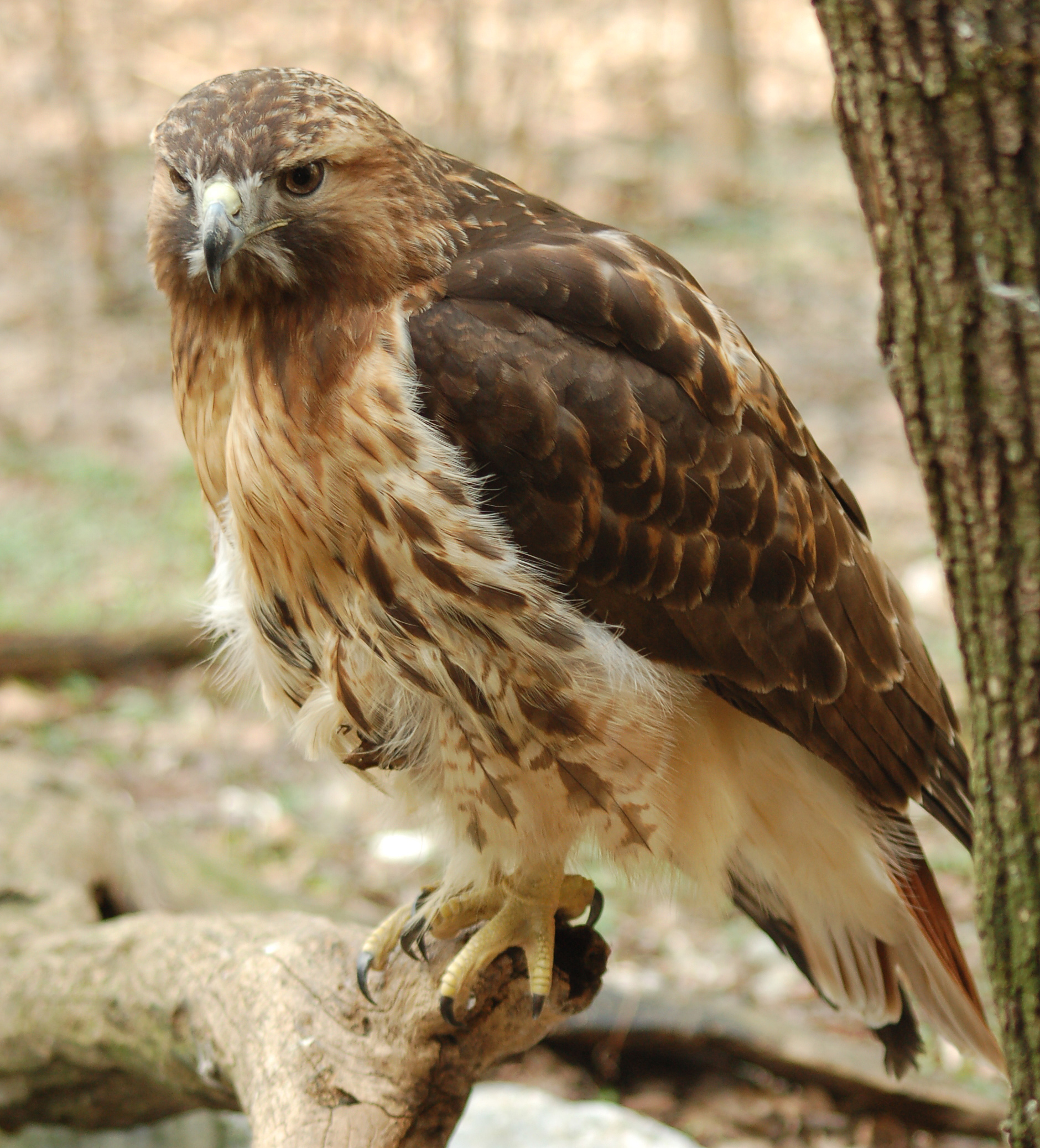 |
| Red-tailed Hawk, light morph adult. |
Also, last year I got to watch Red-tails nesting and raising young! I never came up with a name for the dad, but the mom was Jenny and their son was Ralphy. Ralphy was a troublemaker, always harassing other animals, and constantly asking his mom for food. I was a little disappointed when I figured out that the other two eggs never hatched, but even so, I still see little Ralphy everywhere.
Yet again, I had another incident with a Red-tail (not surprising): Jenny flew two feet over my head! I had no idea she was so used to humans! Wow.
 |
| When soaring, Red-tails hold their wings like Turkey Vultures. |

Saturday, May 24, 2014
Sick and injured birds
You know, ever since the winter of 2013, I've been noticing a lot more sick and/or injured birds.
During the winter, it's mostly House Finches with conjunctivitis, a common disease both diagnosed in humans and birds, aka pink eye. On humans it's not really bad, but on birds it really is: The eye(s) becomes puffy and swollen, then they eye begins to look wet. It's just downhill after that - the eye gets all crusty. The bird eventually becomes blind, unable to find food, and, in most cases, will die. If you want to know more, visit the House Finch Eye Disease website or the House Finch Disease Survey.
In the spring, summer and fall, a lot of things can happen. Window strikes, fights (especially in the spring), cats, and human development. Just yesterday, my neighbor waved me down while I was going for a walk. "There's a bird here that just hit my window," she said. "It's not moving." When I went over to look at it, I saw it was a Grey Catbird. So I ran home to get gloves (can't be too safe, right?) and when I got back, I saw it had its beak open and some tail feathers were broken. I scooped the poor thing up, and he struggled to get away. I laid him in the grass so we could keep an eye on him. and what was the first thing that stupid bird did? Run into a different window! I tried to pick him up, but he flew across the street and landed on someone's roof. What worried me is that what if that bird was a mother and it had died? Then we would have just lost a generation of Catbirds! Breeding season in the worst time for birds to die. If you want to help prevent window strikes, consider getting decals. And read up on it at Bird Watcher's Digest's How to Solve Window Strikes page or read about Julie Zickefoose's solution.
Fights can lead to serious injuries, but only on rare occasions.
Cats (house and feral) kill over 1 million birds per year. It's really bad during migration, because what if there's some rare species going through your area? Cat + bird = avian disaster. And that's what's happening everywhere. You think your lazy couch potato cat is too couch potatoish to kill birds? Wrong! Even the fattest, laziest cats in the US contribute to this grave cause of many bird species' demise. Here's a stupidly simple solution that should've been thought of a long time ago: Keep your cats indoors! To learn more, visit the American Bird Conservancy's Cats Indoors! campaign. If you want to spread the word, email, go door to door, and/or order brochures.
I won't go into human development because there's a lot of debate in that area, and I really haven't studied enough to have an opinion.
Lastly, if you see a feathered baby bird hopping on the ground, leave it alone! The parents are most likely nearby. For further reading, go to the Northern Illinois Raptor Rehab & Education's I Found a Baby Bird. Now What? page.
During the winter, it's mostly House Finches with conjunctivitis, a common disease both diagnosed in humans and birds, aka pink eye. On humans it's not really bad, but on birds it really is: The eye(s) becomes puffy and swollen, then they eye begins to look wet. It's just downhill after that - the eye gets all crusty. The bird eventually becomes blind, unable to find food, and, in most cases, will die. If you want to know more, visit the House Finch Eye Disease website or the House Finch Disease Survey.
In the spring, summer and fall, a lot of things can happen. Window strikes, fights (especially in the spring), cats, and human development. Just yesterday, my neighbor waved me down while I was going for a walk. "There's a bird here that just hit my window," she said. "It's not moving." When I went over to look at it, I saw it was a Grey Catbird. So I ran home to get gloves (can't be too safe, right?) and when I got back, I saw it had its beak open and some tail feathers were broken. I scooped the poor thing up, and he struggled to get away. I laid him in the grass so we could keep an eye on him. and what was the first thing that stupid bird did? Run into a different window! I tried to pick him up, but he flew across the street and landed on someone's roof. What worried me is that what if that bird was a mother and it had died? Then we would have just lost a generation of Catbirds! Breeding season in the worst time for birds to die. If you want to help prevent window strikes, consider getting decals. And read up on it at Bird Watcher's Digest's How to Solve Window Strikes page or read about Julie Zickefoose's solution.
Fights can lead to serious injuries, but only on rare occasions.
Cats (house and feral) kill over 1 million birds per year. It's really bad during migration, because what if there's some rare species going through your area? Cat + bird = avian disaster. And that's what's happening everywhere. You think your lazy couch potato cat is too couch potatoish to kill birds? Wrong! Even the fattest, laziest cats in the US contribute to this grave cause of many bird species' demise. Here's a stupidly simple solution that should've been thought of a long time ago: Keep your cats indoors! To learn more, visit the American Bird Conservancy's Cats Indoors! campaign. If you want to spread the word, email, go door to door, and/or order brochures.
I won't go into human development because there's a lot of debate in that area, and I really haven't studied enough to have an opinion.
Lastly, if you see a feathered baby bird hopping on the ground, leave it alone! The parents are most likely nearby. For further reading, go to the Northern Illinois Raptor Rehab & Education's I Found a Baby Bird. Now What? page.
Friday, May 23, 2014
More pictures from the Birdfest
 |
| Chase, a Cooper's Hawk. Wing damage. |
 |
| Stella the Peregrine - A retired falconry bird. |
 |
| Phoenix the Red-tail. Blind in the left eye. |
 |
| A baby Painted Turtle - They have one every year. |
Subscribe to:
Posts (Atom)